Continuous Inkjet
Other Products
- CONTINUOUS INKJET PRINTING
Reliable Continuous Inkjet Printers for Industrial Coding
Continuous Inkjet (CIJ) printing is a versatile coding solution for manufacturers that need to print product information quickly and consistently on production lines. It is widely used for marking manufacturing dates, expiry dates, batch numbers, lot codes, and other variable information on products and packaging.
At Integrated Global Solution (IGS), we provide continuous inkjet coding solutions designed to support different production environments, packaging materials, and operational requirements. Our goal is to help businesses maintain clear product identification while keeping their production processes efficient.
Versatile Coding Across Materials
CIJ printers can mark a wide range of compatible surfaces, including plastics, glass, metals, and coated packaging materials. Their non-contact printing process makes them suitable for coding products moving at high speeds, including bottles, cans, cables, containers, and packaged goods. With the right ink and printer configuration, manufacturers can achieve clear codes across a variety of applications.
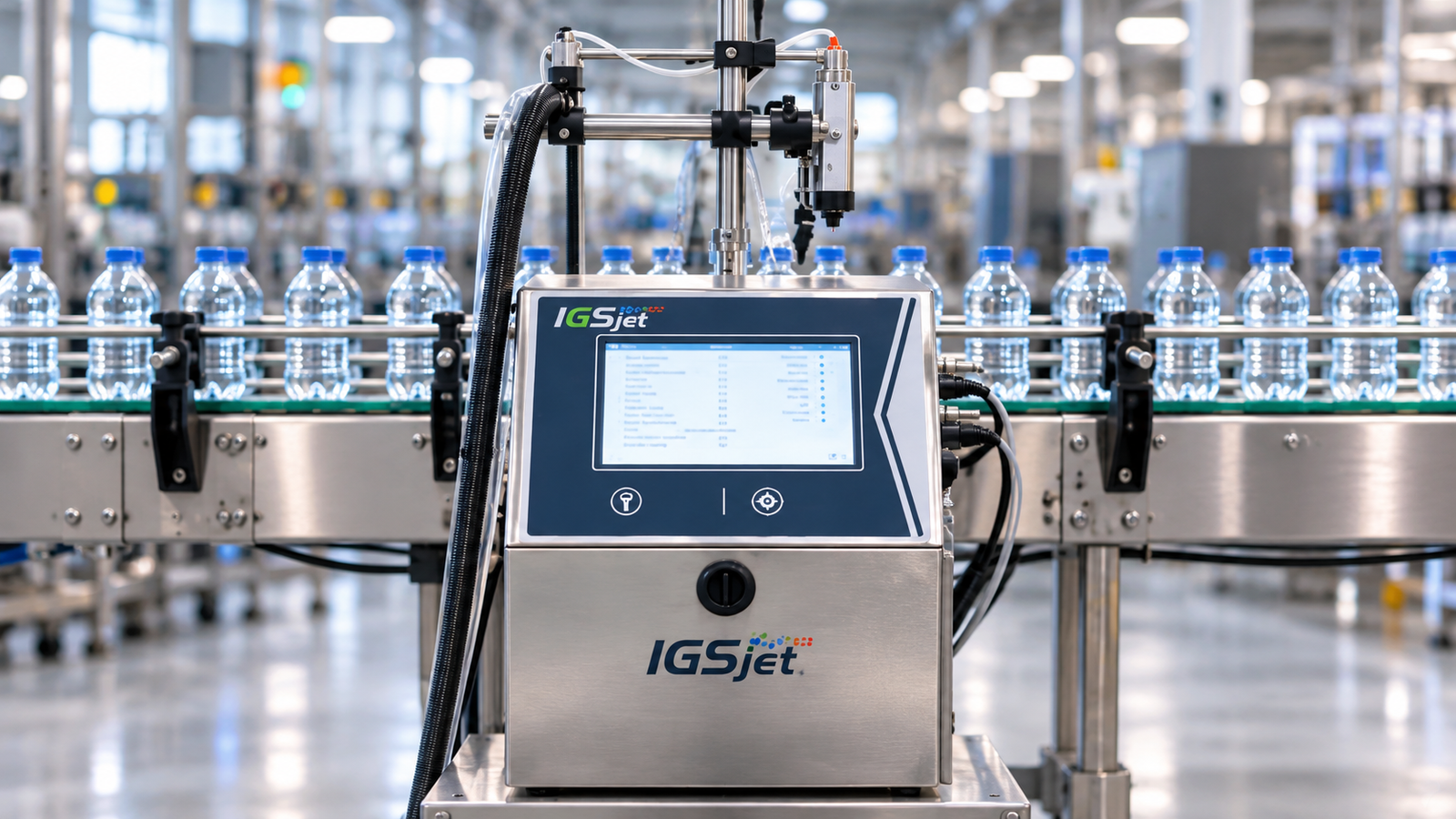
- BUILT FOR PRODUCTION PERFORMANCE
Flexible Coding for Modern Manufacturing
Continuous Inkjet technology supports manufacturers that need dependable, non-contact coding across fast-moving production lines. Its versatility makes it suitable for a wide range of products and packaging formats.
CIJ printers are designed to apply variable product information without requiring direct contact with the product. This makes them suitable for continuous production environments where speed and consistent code placement are important.
With compatible inks and suitable configurations, CIJ technology can print on many materials and surface types, helping manufacturers code different products without relying on a single packaging format.
From batch numbers and production dates to expiry dates and other variable codes, CIJ printing helps businesses maintain readable product identification and support traceability throughout manufacturing and distribution.
- KEY FEATURES
Why Choose Continuous Inkjet?
- Non-Contact High-Speed Printing
- Multi-Surface Coding Capability
- Variable Date & Batch Coding
- Flexible Production Line Integration
- Versatile Ink Options
- Reliable Product Identification
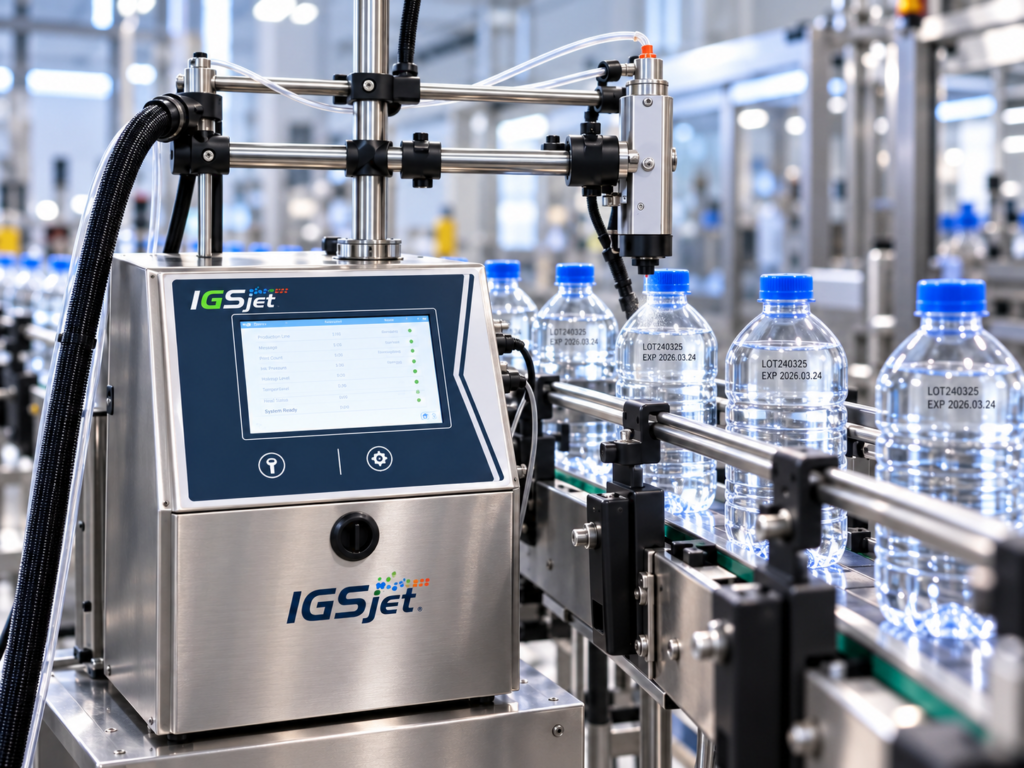
- INDUSTRY APPLICATIONS
Continuous Inkjet Printing Applications
Food & Beverage Packaging
Print production dates, expiry dates, and batch codes on compatible bottles, cans, cartons, and packaged food products.
Pharmaceutical & Consumer Products
Mark suitable containers, packaging, and personal care products with essential product information to support identification and traceability.
Industrial & Automotive Manufacturing
Apply product codes, batch identifiers, and other variable information to compatible components, cables, metal products, and industrial packaging.
- FREQUENTLY ASKED QUESTIONS
Continuous Inkjet Printer FAQs
Learn more about CIJ printing technology, its applications, and how it can support your production requirements.
What is a Continuous Inkjet (CIJ) printer?
A Continuous Inkjet printer is an industrial coding system that continuously generates ink droplets and directs selected droplets onto a product surface to print characters, dates, batch numbers, and other variable information without direct contact.
What materials can CIJ printers print on?
Depending on the ink and printer configuration, CIJ printers can mark compatible plastics, glass, metals, cables, coated materials, and various packaging surfaces.
What information can a CIJ printer print?
CIJ printers can print manufacturing dates, expiry dates, batch numbers, lot codes, serial numbers, and other supported variable information.
Are CIJ printers suitable for high-speed production lines?
Yes. CIJ technology is widely used in high-speed manufacturing because it supports non-contact coding on products moving continuously along production lines.
How do I choose the right CIJ printer for my application?
Consider the product material, production speed, required code content, printing environment, ink compatibility, and integration requirements. IGS can help you evaluate suitable options for your application.