
Thermal Transfer
Other Products
- THERMAL TRANSFER OVERPRINTING
High-Quality TTO Printing for Flexible Packaging
Thermal Transfer Overprinting (TTO) is an industrial printing technology designed to apply high-resolution codes, text, graphics, and product information to flexible packaging materials. Commonly used in food, pharmaceutical, and consumer goods manufacturing, TTO systems help print manufacturing dates, expiry dates, batch numbers, barcodes, and other variable information directly onto compatible packaging films and labels.
At Integrated Global Solution (IGS), we provide thermal transfer printing solutions designed to support accurate coding and consistent print quality across packaging operations. Whether manufacturers need to print on flow wraps, pouches, sachets, or other flexible packaging formats, TTO technology offers a practical solution for clear product identification.
Designed for Flexible Packaging Applications
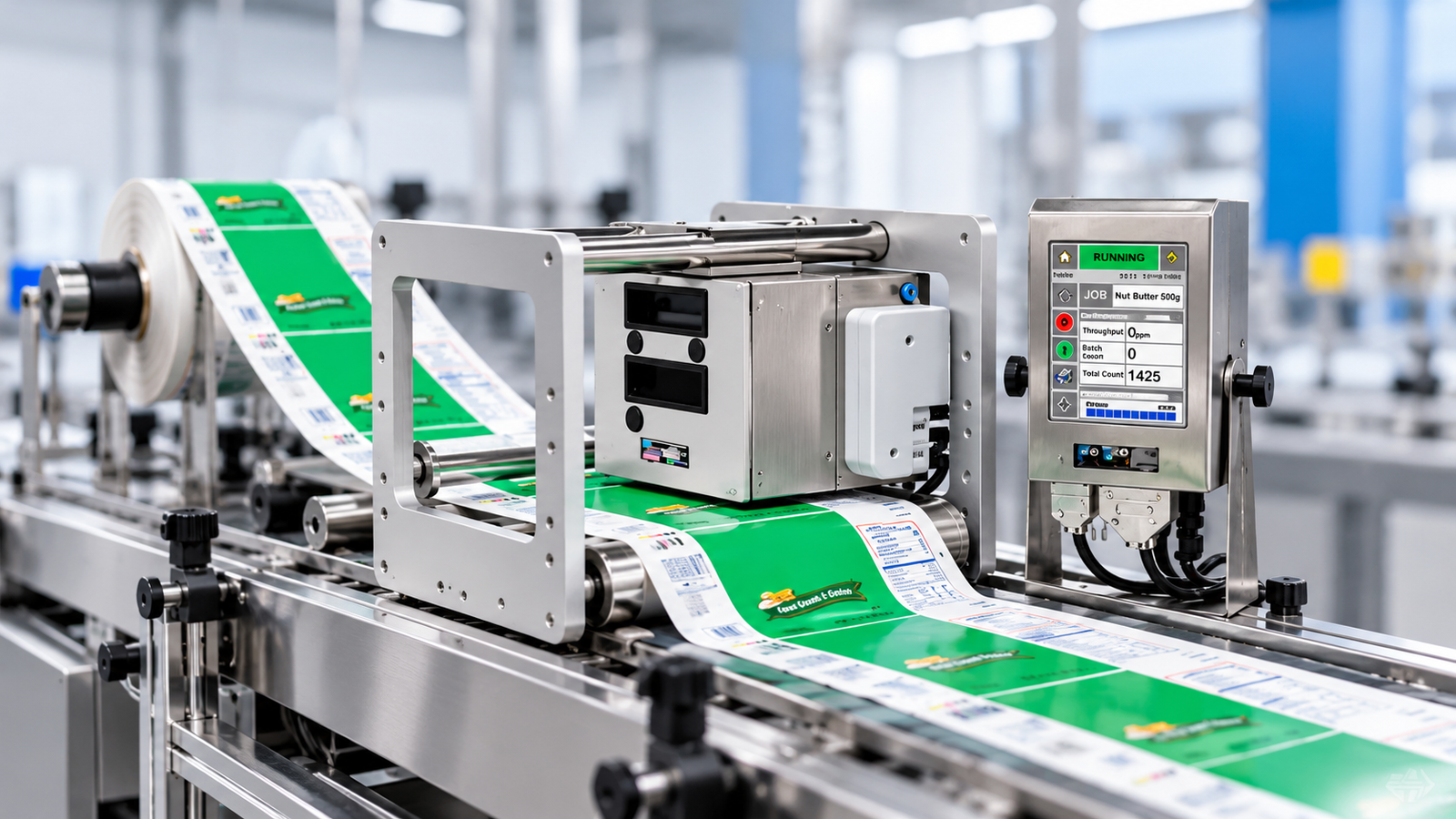
TTO printers use a heated printhead to transfer ink from a ribbon onto compatible packaging materials. This process produces sharp text, detailed graphics, and readable codes, making it suitable for applications where print clarity and space-efficient packaging are important. With appropriate printer configuration and ribbon selection, TTO systems can support a variety of packaging materials and production requirements.
- PRECISION PACKAGING PRINTING
Consistent Coding for Flexible Packaging
Thermal Transfer Overprinting helps manufacturers apply clear, detailed product information to flexible packaging while supporting consistent coding performance and efficient packaging workflows.
TTO technology produces sharp text, detailed graphics, and machine-readable codes, helping manufacturers display essential product information clearly on packaging films and labels.
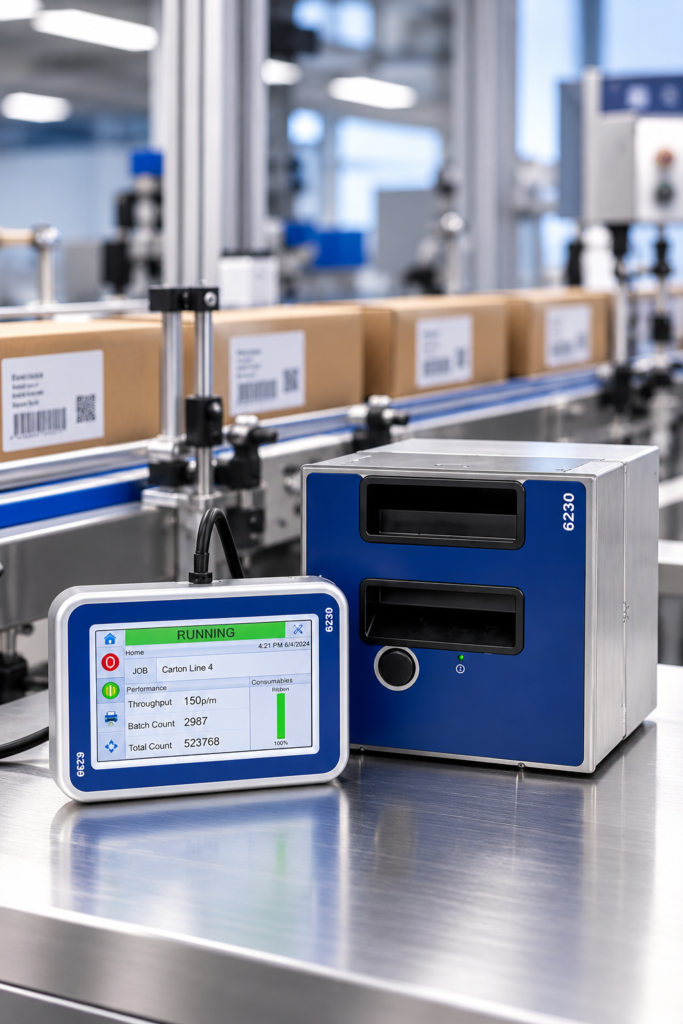
Print changing information such as production dates, expiry dates, batch numbers, barcodes, and other product details to support product identification and traceability across packaging operations.
TTO systems can be integrated with compatible packaging equipment, including form-fill-seal machines, to apply codes during the packaging process. Suitable configurations can support intermittent or continuous packaging applications.
- KEY FEATURES
Why Choose Thermal Transfer Overprinting?
- High-Resolution Text & Barcode Printing
- Accurate Date & Batch Coding
- Ribbon-Based Printing Technology
- Flexible Film & Label Compatibility
- Variable Data Printing Capability
- Packaging Machine Integration
- INDUSTRY APPLICATIONS
Thermal Transfer Printing Applications
Food & Beverage Packaging
Print manufacturing dates, expiry dates, batch numbers, and other product details on compatible films, wrappers, pouches, and sachets used for packaged food products.
Pharmaceutical & Healthcare Packaging
Apply clear product information, batch codes, and other variable data to compatible pharmaceutical packaging materials and labels, according to application requirements.
Consumer Goods & Personal Care
Print product identifiers, barcodes, dates, and other details on suitable flexible packaging used for cosmetics, personal care products, household goods, and everyday consumer items.
- FREQUENTLY ASKED QUESTIONS
Thermal Transfer Overprinting FAQs
Learn more about TTO printing technology and how it supports flexible packaging and industrial coding applications.
What is Thermal Transfer Overprinting (TTO)?
Thermal Transfer Overprinting is a digital printing method that uses a heated printhead to transfer ink from a ribbon onto a compatible packaging surface. It is commonly used to print dates, batch codes, barcodes, and other variable information.
What materials can TTO printers print on?
TTO printers are primarily used for compatible flexible packaging materials, including various films, foils, laminates, and labels. The best results depend on the material, ribbon type, and printer configuration.
What information can a TTO printer print?
TTO systems can print manufacturing dates, expiry dates, batch numbers, barcodes, product identifiers, text, and supported graphics.
Can TTO printers be integrated into packaging machines?
Yes. TTO systems can be integrated with compatible packaging equipment, including form-fill-seal machines. The appropriate configuration depends on machine design, packaging speed, and printing requirements.
What is the difference between TTO and CIJ printing?
TTO uses a heated printhead and ink ribbon to print high-resolution information, primarily on flexible packaging. CIJ uses ink droplets to mark products without direct contact and is commonly used on bottles, cans, cables, and other products moving along production lines. The right technology depends on the material and application.